
Most punters chasing craps dice control possible want a measurable edge, not a parlor trick. The idea sounds tidy on paper: set the grip, throw on the axis, reduce the seven. In practice, the maths and the environment push back hard. This guide walks through what a real session looks like, what to weigh before you try it, and how the local setup changes the conversation.
What the Claim Actually Means at the Table
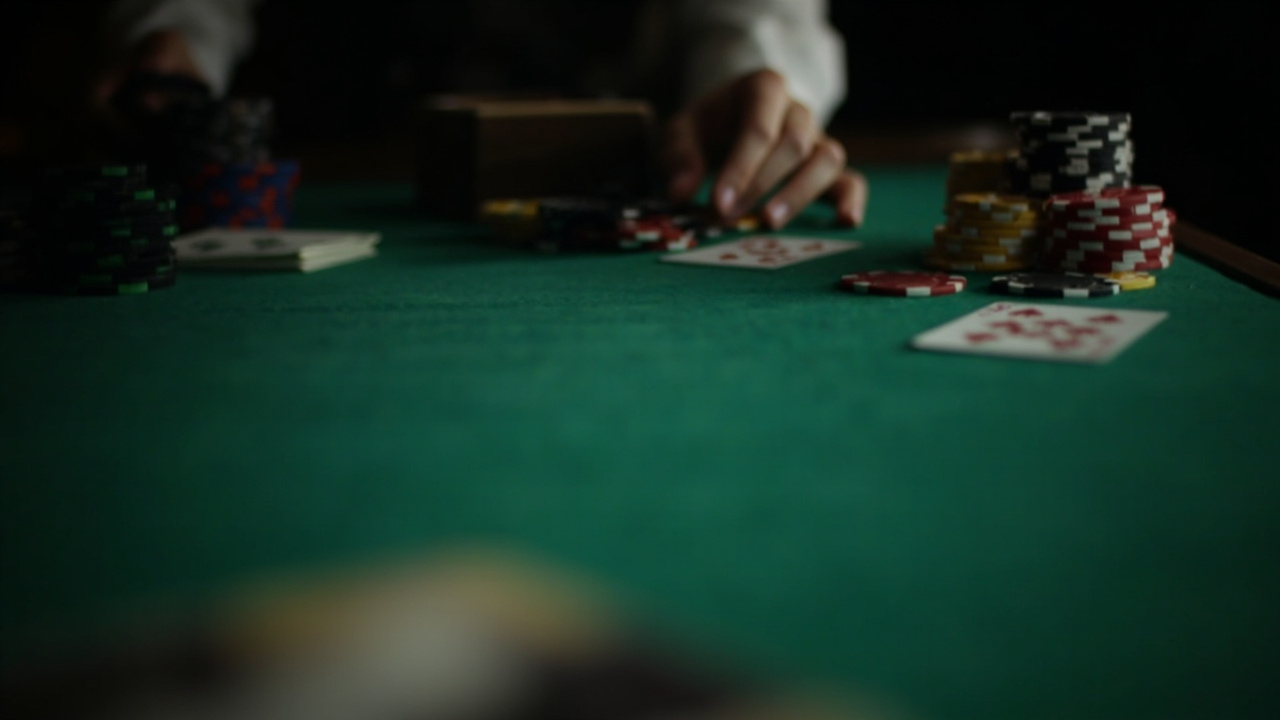
Dice control is the attempt to influence outcomes through grip, stance, and release rather than leaving everything to chance. The theory is straightforward: if you can keep the dice spinning on a consistent axis and land them with less random tumble, certain combinations should appear slightly more often. The catch is that live tables are noisy, the felt is busy, the back-pressure from the stickman is constant, and a single off-axis bounce can wipe out a careful set. Even seasoned shooters describe it as a narrow window, not a switch you flip.
From a practical angle, the skill sits somewhere between a repeatable routine and a hopeful routine. You can practise the same grip for hours, but the casino floor adds variables that don’t show up in a quiet room: fatigue, distraction, the pace of the crew, and the way a hard six or a seven-out resets your rhythm. That’s why the conversation around craps dice control possible usually lands on discipline and expectation management rather than a clean advantage. If you’re treating it as a way to tilt the odds in your favour, you’ll probably be disappointed; if you’re treating it as a structured way to play with tighter control over your own throws, it’s at least a defined exercise.
The Australian context matters here because the local floor culture and the broader regulatory picture shape how the game is presented. In the UK and parts of Europe, table games often run with tighter staffing models and different pacing, which changes how much quiet focus a shooter can actually keep between hands. New Zealand venues share some of that slower, more procedural feel, while United States casinos are famously fast and loud, with dealers trained to keep the game moving. That difference isn’t cosmetic: a technique that feels workable in a calmer overseas room can feel much harder to hold together in a busy Australian session.
For anyone weighing whether to spend time on it, the honest comparison is with other precision-based table habits. A decent backhand in snooker or a consistent release in bowls takes repetition, feedback, and a willingness to accept that one bad stroke doesn’t erase the practice. Dice work is similar in that sense. You can build a repeatable motion, but the underlying game still runs on probability, and no amount of grip work turns a negative-expectation bet into a reliable income stream. That’s the judgement call worth making early, before the arvo gets busy and the table starts moving faster than your routine.
| Detail | What it looks like locally |
|---|---|
| Game mix | Craps sits alongside a broad lobby of pokies, table variants, and live-dealer content |
| Providers | Multiple studio and software partners supply the table and digital library |
| Lobby organisation | Search and category filters separate table games from slots and live rooms |
| Bonus mechanics | Welcome offers and ongoing promos come with wagering terms that differ by game type |
| Payments and currencies | AUD is the default local currency, with common local deposit and withdrawal methods |
| Registration | Standard account setup with identity checks before withdrawals are processed |
| Mobile | Table and lobby access is built for phone and tablet play, with the same core lobby layout |
| Support | Help channels cover account, payments, and game questions during stated service hours |
| Loyalty | Ongoing rewards are tied to activity and tiered by play volume, not by a single deposit |
How to Weigh the Lobby, the Pace, and Your Own Edge
The first question worth asking is whether the environment you’re stepping into actually lets you work on anything. A lobby that shoves every table into one endless strip makes it harder to settle into a single game, and a lobby that buries craps under a pile of slots and live titles changes the whole discovery flow. Good search and clear category separation matter more than flashy graphics when you’re trying to keep a routine together. If the lobby is organised so you can find the right table, check the limits, and see the game mix without clicking through half a dozen dead ends, you’ve already removed one source of friction.
The game mix itself is the next filter. A room that only offers one craps variant with rigid table limits gives you less room to practise at a pace that suits you, while a broader mix lets you choose a table that matches the stake and tempo you want. The providers and live content around the table also shape the feel: some setups run with a calmer crew and clearer pacing, others are built to keep the energy high and the hands moving. None of that proves or disproves dice control, but it does decide whether you can hold a consistent approach for more than a few throws.
Pace is where the local rules and the broader market start talking to each other. Spin rate limits slow the tempo of pokie play in some jurisdictions, and the same kind of pacing conversation shows up around table games when operators or regulators want to keep the rhythm from running too hot. That matters for a shooter because a slower, more predictable table gives you more room to repeat a grip and read the results, while a fast-moving floor can turn a careful routine into a rushed one. It’s one reason the comparison with overseas rooms keeps coming back: a calmer UK or European-style setup and a faster US-style floor simply ask different things of your concentration.
If you’re building a decision around this, the practical checklist is less about mystique and more about fit. Ask whether the lobby helps you find the right table quickly, whether the limits match the stakes you’re comfortable with, whether the pace lets you repeat a routine, and whether the bonus terms and payment setup are clear before you put money in. A decent session starts with those basics, not with a promise that a specific grip will bend the game. That’s the kind of judgement call I’d make before anything else, and it’s the same call I’d make in any other precision-based pastime where the room, the pace, and the terms all have a say in whether the work actually lands.
What the Numbers, the Advice, and the Local Rules Suggest
The most useful way to think about craps dice control possible is as a controlled experiment with honest ceilings. You can measure your own consistency, track how often your release holds, and decide whether the time spent is worth the entertainment value. What you can’t do is turn that into a guarantee, because the underlying bets still carry the house edge and the table still decides the pace. That’s not a cynical take; it’s the difference between a repeatable skill and a profitable system, and confusing the two is how sessions go sideways.
Experts who watch this space tend to frame it the same way. Amelia Reid, Risk and Integrity Manager, Coastal Wager Research, has pointed out that any throw-based technique needs to be judged against the full picture of expectation, not against a handful of lucky hands. Callum Baker, Head of Analytics, Boomerang Gaming Insights, has noted that consistency in release and axis control can be measured, but the measurable improvement still sits inside a game that is fundamentally structured around probability. Claire Kelly, Responsible Gambling Adviser, Harbour Bet Insights, has cautioned that players chasing control should keep the entertainment frame clear and watch the pace, the stake, and the terms rather than treating the practice as a workaround.
That advice lines up with the local reality. The Australian setup is built around AUD accounts, standard identity checks before cash moves, and bonus terms that vary by game type, which means the practical stuff – registration, payments, wagering conditions, support hours – belongs in the same conversation as the table technique. It also means the comparison with overseas markets is more than a cultural footnote. Where UK, European, or New Zealand rooms may run with different pacing and different presentation, and where US rooms may run much faster, the local room still asks the same basic question: can you keep your routine, your limits, and your expectations in line with the game in front of you?
If you’re weighing a session, the decision comes down to whether you’re there for a structured bit of practice with clear limits, or whether you’re hoping the technique does the heavy lifting for you. The first option is a reasonable way to spend an arvo; the second is a fast track to frustration. Either way, the lobby, the pace, the terms, and the advice all point to the same verdict: treat the skill as something you can work on, not something that replaces the maths, and keep the whole thing inside a clear, responsible frame.
Before you commit time or money, check that the lobby helps you find the right table, that the limits suit you, and that the bonus and payment setup is plain. If you want a starting point for that kind of session, you can browse the lobby at https://playozwinonline.com/ and see how the table mix and search flow look before you decide whether the pace suits a repeatable routine.